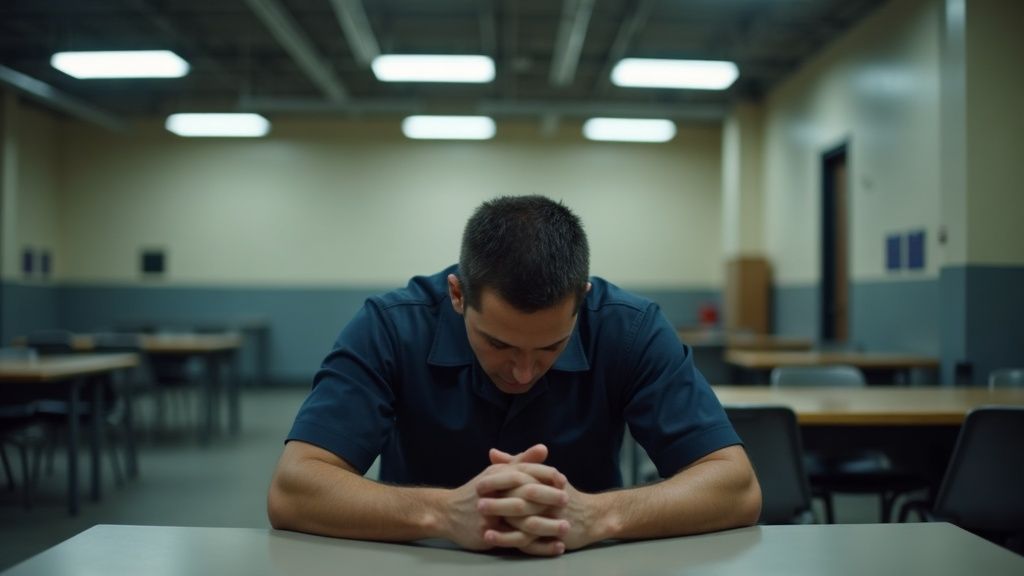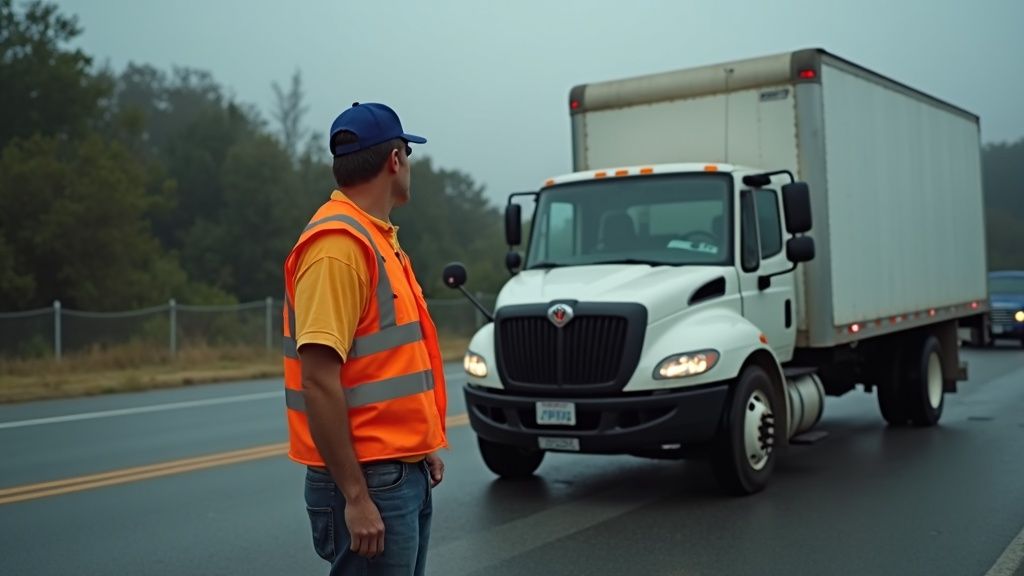
If you were hurt on the job in California, you may already know about workers' compensation. What most injured workers do not realize is that workers' comp might be only half the picture.
When someone other than your employer caused or contributed to your injury, you may have a second claim entirely: a third-party personal injury lawsuit. That second claim can pay for things workers' comp never will, including pain and suffering, the full value of lost wages, and other damages the workers' comp system excludes by design.
We have recovered over $150,000,000 for injured workers across Southern California. One of the most consistent patterns in high-value cases is a third-party claim that the injured worker did not know they had. This article explains how that works, who can be a third party, and what happens when both claims run at the same time.
If you think your injury may involve a third party, call (818) 794-9947 for a free case review. No fee unless we win.
Quick Answers
- Can you have both claims at once? Yes. Workers' comp and a third-party lawsuit are separate legal remedies under California law. Filing one does not cancel the other.
- What does a third-party claim add? Pain and suffering, full wage losses beyond what workers' comp pays, and potentially punitive damages in egregious cases.
- Who counts as a third party? Any person or company other than your employer whose negligence contributed to the injury, such as a driver, equipment maker, subcontractor, or property owner.
- Does your employer get some of the third-party money? Possibly. California law gives the employer a lien against your third-party recovery for benefits already paid, subject to a reduction if the employer's own negligence contributed to the injury.
- What is the deadline to sue? Generally two years from the date of injury under Cal. Civ. Code §335.1, which runs on its own track, separate from the workers' comp filing deadline.
How a Third-Party Claim Differs From Workers' Comp
Workers' compensation in California is a no-fault system. Under Cal. Lab. Code §3600, your employer owes you benefits whenever an injury arises out of and in the course of employment, regardless of who was negligent. That is the tradeoff built into the system: workers get swift, no-fault benefits, and in exchange they give up the right to sue their employer in civil court for most injuries.
That tradeoff, however, only governs the employer-employee relationship. It says nothing about third parties.
A third-party civil lawsuit operates under ordinary tort law. It requires proving that someone else was negligent and that their negligence caused your injury. Because it is a real civil lawsuit rather than an administrative benefits claim, it can recover damages the workers' comp system never pays:
- Pain and suffering. Workers' comp pays zero for this. A civil judgment or settlement can include substantial compensation for physical pain, emotional distress, and loss of enjoyment of life.
- Full wage loss. Temporary disability benefits under Cal. Lab. Code §4653 are capped at two-thirds of your pre-injury average weekly wage, subject to a statewide maximum. A civil lawsuit can recover the full amount of wages lost, including future earning capacity.
- Medical expenses above the workers' comp fee schedule. Workers' comp pays for authorized care through the Medical Provider Network at a fee schedule rate. A civil claim can recover the reasonable value of all medical treatment, including care the workers' comp insurer denied.
- Loss of consortium. Damages your spouse or family suffers as a result of your injury are not available in workers' comp but can be recovered in a civil lawsuit.
In California, you can file both a workers' compensation claim and a third-party personal injury lawsuit at the same time, they are separate legal remedies and one does not cancel out the other.
Workers' compensation does not cover pain and suffering or your full lost wages, but a third-party lawsuit can, which is why the combined recovery is often far larger than workers' comp alone.
Who Can Be a Third Party in a California Work Injury Case
The most important thing to understand is that a third party can be anyone whose negligence contributed to your injury other than your direct employer. That covers a wider range of situations than most injured workers imagine.
Negligent Drivers
This is the most common third-party work injury scenario. If your job involves driving, if you were making a delivery, or if you were traveling between job sites when another driver hit you, that driver is a third party. California recognizes both a workers' comp claim for the work-related injury and a civil claim against the at-fault driver under standard vehicle negligence law.
If the driver was also on the job at the time, their employer may be a third party as well under the doctrine of respondeat superior.
Manufacturers of Defective Tools, Equipment, or Machinery
If a tool, machine, vehicle, or piece of safety equipment was defectively designed or manufactured and that defect caused your injury, the manufacturer and the distributor may be liable under California product liability law regardless of how careful your employer was. These claims sit entirely outside the workers' comp system because the defendant is not your employer.
Construction workers, warehouse workers, and factory workers see this scenario regularly. A faulty press, a defectively designed ladder, an electrical component that was not engineered to spec: each one creates a potential third-party products liability claim.
Subcontractors and Other Contractors on Multi-Employer Job Sites
Construction job sites commonly involve a general contractor and multiple subcontractors, all working in the same space. If a subcontractor's crew created the hazard that injured you, that subcontractor is a third party even though you were all working on the same project. Your workers' comp claim runs against your direct employer's insurer; your civil claim runs against the negligent subcontractor.
This is an area where cases are frequently missed. An injured construction worker who files only a workers' comp claim often does not realize that the entity responsible for the unsafe condition was a separate company with its own insurance.
Property Owners
If your work took you to a third party's property and that property was unreasonably dangerous, the property owner may be liable under California premises liability law. A delivery worker who trips on a broken step at a customer's warehouse, or a technician injured by an unmarked hazard at a client site, has a potential civil claim against the property owner independent of the workers' comp claim against the employer.
A third party in a work injury case is any person or company other than your employer whose negligence contributed to your injury, such as a driver who hit you on the road, a manufacturer of a defective tool, or a property owner.
Pursuing Both a Workers' Comp Claim and a Third-Party Lawsuit at the Same Time
California law explicitly permits an injured worker to pursue both remedies simultaneously. Cal. Lab. Code §3852 preserves the employee's right to bring an action against a third party in addition to any workers' comp claim, and it expressly states that the workers' comp claim does not affect that right.
In practice, both proceedings often run on parallel tracks:
- The workers' comp claim moves through the DWC administrative process: medical treatment authorization, temporary disability payments, permanent disability rating, and ultimate resolution by settlement or award before the WCAB.
- The civil lawsuit moves through the California Superior Court system: discovery, depositions, expert witnesses, and resolution by settlement or judgment.
The two tracks have different timelines. Workers' comp cases often resolve faster. The civil lawsuit may still be in active litigation when the workers' comp case settles. That sequencing matters for how the employer's lien works, as explained in the next section.
Practical coordination points:
- Statements and admissions made in the workers' comp proceeding can appear in the civil case. Both proceedings involve the same underlying facts, so consistency between them matters.
- Medical evidence from the workers' comp treating doctors and from the QME (qualified medical evaluator) process often becomes central evidence in the civil case as well.
- Settlement of the civil case before the workers' comp case concludes requires careful handling to protect both claims. This is one reason having one legal team handling both is almost always more efficient than splitting the cases between two separate firms.
The Employer's Lien on Your Third-Party Recovery
Here is the part most injured workers do not know about until they are close to settling the civil case: when you recover money from a third party, your employer (or its workers' comp insurer) has a legal right to recover the benefits already paid out of that settlement.
This right is called a lien, and it exists under Cal. Lab. Code §3856. If your employer paid $50,000 in temporary disability and medical benefits, it can assert a $50,000 lien against your civil recovery.
The Witt v. Jackson Reduction
California law does not let an employer collect on its lien without limits. The leading case establishing the credit and offset rule is Witt v. Jackson (1961) 57 Cal.2d 57, a California Supreme Court decision that set the framework still used today.
Under the Witt v. Jackson rule, an employer cannot recover its lien to the extent that its own negligence contributed to the injury. If the civil jury finds that the employer was 30 percent at fault for the accident, the employer's lien is reduced by that same 30 percent. This prevents an employer from profiting from, or being fully indemnified against, its own negligent conduct.
The practical effect: in cases where your employer's negligence was also a factor, the lien the workers' comp insurer can assert against your third-party settlement is reduced, which means more of the civil recovery stays with you.
Under the Witt v. Jackson rule, your employer is entitled to a lien against your third-party settlement for workers' comp benefits already paid, but that lien is reduced if the employer's own negligence was a partial cause of your injury.
Allocation of Attorneys' Fees and Costs
When the employee's attorney recovers money from a third party and the employer benefits through lien recovery, California law under Cal. Lab. Code §3856 also requires the court to apportion reasonable litigation costs and attorneys' fees. The employer generally must bear a proportionate share of the fees and costs that made the recovery possible, because it benefited from the employee's attorney's work without funding that work itself.
This is a technical but important calculation. How the recovery is allocated between damages for wage loss (which the lien attaches to more directly) and pain and suffering (which the lien does not) affects the net amount the injured worker takes home. Proper structuring of the settlement requires an attorney who understands both the workers' comp and civil sides of the case simultaneously.
Why These Cases Are Easy to Miss and Worth Getting Right
The Miss
Workers' comp is automatic. Your employer's insurer opens a claim, assigns an adjuster, and the process begins. No one is required to tell you whether a third party was also responsible. No adjuster for the workers' comp insurer has any incentive to help you identify a civil claim, because a successful civil claim triggers their lien recovery obligation and complicates their case.
Many injured workers, especially those who are already overwhelmed by the paperwork, the medical appointments, and the income disruption that follows a serious injury, simply accept the workers' comp process as the whole remedy. They do not know to ask whether someone else might also be liable.
Many injured workers leave third-party claims on the table simply because they do not know a claim exists, a short case review with a workers' comp attorney can identify whether a third party caused or contributed to the injury.
The Value
The difference between a workers' comp-only recovery and a combined workers' comp plus third-party recovery can be substantial. Workers' comp is efficient but capped. The civil system allows full compensation, including categories of damages workers' comp permanently excludes.
For a worker with a serious injury, those excluded damages, particularly pain and suffering and full future wage loss, can be the largest component of what justice actually requires. A construction worker with a permanent shoulder injury who recovers only temporary disability, a partial permanent disability rating, and medical care through workers' comp may be leaving the majority of their rightful compensation uncollected.
The Deadline Difference
The workers' comp filing deadline in California is one year from the date of injury under Cal. Lab. Code §5405. The third-party civil lawsuit deadline is generally two years from the date of injury under Cal. Civ. Code §335.1. They run on separate clocks and neither one pauses the other. Missing the civil deadline is permanent. No extension exists simply because a workers' comp claim is still open.
California's statute of limitations for a third-party personal injury lawsuit is generally two years from the date of injury under Cal. Civ. Code §335.1, a separate deadline from the one-year workers' comp filing window.
Should You Hire One Attorney for Both Claims or Two?
California law permits a single law firm to handle both the workers' comp and the civil case, and in most situations that coordination is the stronger approach. The same injury, the same medical records, and the same facts underlie both proceedings. A single team that understands how the two interact can structure both cases to maximize the net recovery, allocate the lien correctly, and avoid the inconsistent statements that can damage a case when two firms are working without talking to each other.
Nordanyan Law handles both workers' comp and personal injury for California workers whose injuries involve third-party liability. From the moment you report your injury to the final settlement or award, we handle every aspect of your case.
If you were injured at work and another party may have been responsible, call (818) 794-9947 for a free case review. No fee unless we win. Available in English and Spanish.
Frequently Asked Questions
Can I sue someone other than my employer for a work injury in California?
Yes. California Labor Code §3852 preserves your right to bring a civil lawsuit against any third party whose negligence contributed to your work injury, even while a workers' comp claim is open against your employer's insurer. The two claims are legally independent.
What is a third-party claim in a work injury case?
A third-party claim is a civil lawsuit filed against someone other than your direct employer whose negligence caused or contributed to your injury on the job. Common examples include a driver who hit you while you were working, a manufacturer whose defective equipment failed, a subcontractor whose crew created an unsafe condition, or a property owner whose premises were unreasonably dangerous.
Can I collect workers' comp benefits AND a third-party settlement at the same time?
Yes, with one important qualification. You can pursue and collect from both, but your employer or its workers' comp insurer has a lien under Cal. Lab. Code §3856 against your third-party recovery for benefits already paid. The net result is not a double recovery on the same losses, but the third-party settlement adds damages workers' comp never covers, such as pain and suffering, which means the total combined recovery is typically larger than either claim alone.
Who can be a third party in a California work injury case?
Any person or company other than your direct employer whose negligence contributed to your injury. The most common third parties are: negligent motorists (and their employers, if the driver was also working), manufacturers or distributors of defective tools or machinery, subcontractors and general contractors on multi-employer job sites, and property owners or occupiers where the injury occurred.
How does the employer lien work in a third-party settlement?
Under Cal. Lab. Code §3856, your employer or its workers' comp carrier has a right to recover from your third-party settlement an amount equal to the workers' comp benefits already paid. Under the Witt v. Jackson rule (Witt v. Jackson (1961) 57 Cal.2d 57), that lien is reduced proportionally if the employer's own negligence contributed to the injury. The employer also generally bears a proportionate share of the litigation costs and attorneys' fees that produced the recovery.
What is the deadline to file a third-party lawsuit after a work injury in California?
California's general personal injury statute of limitations is two years from the date of injury under Cal. Civ. Code §335.1. This deadline runs independently of the one-year workers' comp filing deadline under Cal. Lab. Code §5405. Neither deadline pauses the other. If you miss the civil deadline, you permanently lose the right to sue the third party regardless of the status of your workers' comp claim.
Does filing a workers' comp claim affect my right to sue a third party?
No. Cal. Lab. Code §3852 explicitly states that an employee's workers' comp claim does not affect the right to bring a civil action against a third party. Filing workers' comp does not waive, release, or limit your civil claim.
Does a third-party settlement affect my ongoing workers' comp benefits?
Potentially. Once a third-party settlement is received, the employer or insurer is entitled to credit against future workers' comp benefits to the extent of the amounts attributable to the same losses already compensated. How the settlement is structured and allocated across different damage categories affects how this credit is calculated. This is one of the primary reasons coordinated legal representation handling both claims produces better net outcomes than managing each claim separately.
Reviewed by Minas Nordanyan, CA Bar #296806. This article is for general informational purposes and does not constitute legal advice. Workers' compensation and personal injury law depend on the specific facts of your case. Call (818) 794-9947 for a free case review.