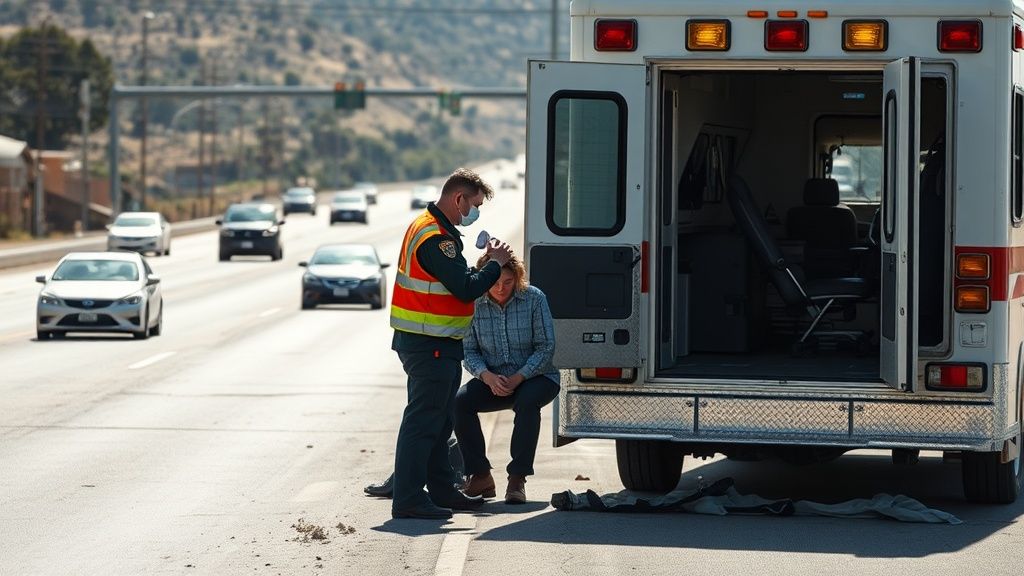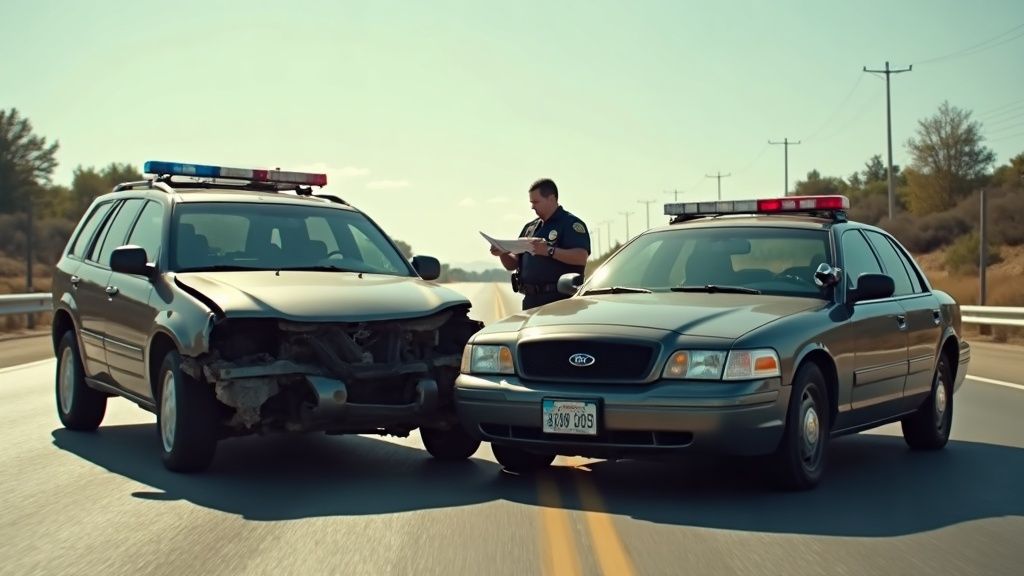
If you were in a car accident in California and walked away feeling okay, you may be tempted to skip the doctor and move on. That would be a serious mistake. Many of the most damaging crash injuries, traumatic brain injuries, herniated discs, internal bleeding, produce little or no pain in the first hours after a collision. By the time the symptoms become impossible to ignore, the damage may be far worse, and the window for protecting your legal rights may be closing.
This article covers the 10 warning signs that often mean a serious injury is developing after a crash. Read each one carefully. If any of these apply to you, see a doctor today, and then call (818) 794-9947 for a free case review with a California personal injury attorney.
Quick summary: the 10 warning signs
- Persistent or worsening headaches
- Neck or shoulder stiffness that won't ease up
- Numbness or tingling in the arms, hands, or legs
- Back pain that spreads or shoots down a leg
- Abdominal pain, swelling, or bruising
- Dizziness, confusion, or trouble concentrating
- Changes in vision or ringing in the ears
- Difficulty sleeping, mood swings, or irritability
- Reduced range of motion in a joint or limb
- Any symptom that appears or intensifies days after the collision
1. Persistent or Worsening Headaches
A headache after a car accident is not just tension from a stressful day. A headache that does not fade within a few hours, or that grows stronger over the following days, can signal a concussion, traumatic brain injury, or intracranial bleeding that requires immediate medical evaluation. The danger is that a slow bleed inside the skull, called a subdural hematoma, can present as a mild headache at first and then become life-threatening within hours or days. Emergency rooms use the Glasgow Coma Scale and CT imaging to rule out bleeding; do not wait for the headache to "just go away." If you develop a sudden, severe headache, a headache paired with vomiting, or one that wakes you from sleep, call 911 or go to an emergency room immediately.
A headache that grows stronger in the days after a crash can signal a concussion or intracranial bleeding, both of which are medical emergencies.
Takeaway: Any headache that persists or worsens after a crash is a reason to seek emergency or urgent care, not a reason to take ibuprofen and wait.
2. Neck or Shoulder Stiffness That Won't Ease Up
Whiplash is the most common crash injury in the United States, and California personal injury claims involving whiplash are among the most frequently litigated. The injury happens when the rapid forward-and-backward snapping of the head tears or strains the soft tissue, muscles, tendons, and ligaments, of the cervical spine and upper back. Many people feel only mild soreness at the scene, then wake up the next morning barely able to turn their heads. Stiffness that persists beyond 24 to 48 hours, spreads into the shoulders and upper arms, or is accompanied by a dull ache at the base of the skull suggests damage serious enough to require a physician's evaluation, an MRI or X-ray, and a formal diagnosis. A documented whiplash diagnosis is an essential building block in any California personal injury claim, without it, an insurer can argue your symptoms are fabricated or unrelated to the crash.
Takeaway: Do not stretch through neck stiffness and hope it improves. Get it imaged and documented by a licensed physician as soon as possible after the crash.
3. Numbness or Tingling in the Arms, Hands, or Legs
Numbness or tingling, medically called paresthesia, after a vehicle collision is your nervous system sending a warning signal. It can mean that a nerve root was compressed at the cervical spine (neck) or lumbar spine (lower back) during the crash, that a disc was herniated and is now pressing on a nerve, or that the spinal cord itself sustained a contusion. These symptoms should never be dismissed as routine post-crash soreness. Nerve damage that goes untreated can become permanent. A physician will typically order an MRI to identify the source of the compression, and in some cases an electromyography (EMG) test to measure nerve conduction. From a legal standpoint, nerve injuries carry significant value in California personal injury cases because they are objectively documented, they affect earning capacity, and they often require long-term treatment.
Takeaway: Numbness or tingling anywhere in your body after a crash is a red flag for spinal or nerve injury, see a doctor the same day.
4. Back Pain That Spreads or Shoots Down a Leg
Radiating back pain that shoots down one leg is a classic sign of a herniated disc pressing on a nerve root, one of the most common serious injuries in rear-end collisions.
This symptom pattern, lower back pain that radiates into the buttocks, hip, or down the back of one leg, is called sciatica, and it is the hallmark presentation of a herniated lumbar disc. In a rear-end or T-bone collision, the compressive force on the spine can push the gel-like nucleus of a disc through its outer casing, pressing directly on the sciatic nerve. The pain can range from a dull ache to a sharp, electric-shock sensation. Some people also experience leg weakness or difficulty standing for long periods. Herniated disc injuries are among the most litigated and highest-value claims in California personal injury law because they frequently require epidural steroid injections, physical therapy lasting months, or surgical intervention including discectomy or spinal fusion. Document the onset and character of this pain precisely, the medical record you build now becomes the foundation of your claim.
Takeaway: Shooting leg pain after a crash is not muscle soreness. See a spine specialist and get an MRI before accepting any settlement offer from an insurance carrier.
5. Abdominal Pain, Swelling, or Bruising
Abdominal pain, swelling, or bruising after a car accident is a potential medical emergency because internal bleeding cannot be seen from the outside.
The organs inside the abdomen, the liver, spleen, kidneys, and bowel, can sustain serious lacerations or contusions in a vehicle collision from the seatbelt, the steering wheel, the airbag, or the sheer force of impact. The dangerous reality is that internal organ injuries do not always produce immediate severe pain. You may feel a dull ache or notice bruising across your midsection in the hours after the crash, attribute it to the seatbelt, and go home. But internal bleeding can progress rapidly. Signs that demand a 911 call or immediate emergency room visit include: pain or tenderness that increases over time, a rigid or board-like abdomen, swelling, dizziness, or feeling faint. Emergency physicians use ultrasound (FAST exam) and CT imaging to identify internal injuries. A missed internal injury is a life-threatening outcome; an emergency room visit that catches nothing is still the right decision.
Takeaway: Any abdominal symptom after a crash, even what feels like a seatbelt bruise, is a reason to go to the emergency room, not urgent care.
6. Dizziness, Confusion, or Trouble Concentrating
Cognitive symptoms after a crash are the ones that injured Californians most often rationalize away. "I'm just shaken up." "I didn't sleep well." In reality, dizziness, disorientation, difficulty finding words, slowed thinking, or an inability to focus are all clinical warning signs of a traumatic brain injury (TBI) or post-concussion syndrome. The Centers for Disease Control and Prevention classifies TBI along a severity spectrum from mild (concussion) to severe, and even "mild" TBI can produce symptoms that last months and interfere with work, relationships, and daily function. A neurologist or TBI specialist will evaluate these symptoms with cognitive testing, an MRI or CT, and sometimes a neuropsychological battery. From a legal standpoint, TBI claims in California can include compensation for lost earning capacity, cognitive rehabilitation, and the ongoing impact on quality of life, damages that extend far beyond immediate medical bills.
Takeaway: Cognitive symptoms after a crash are not stress responses to dismiss. They are clinical indicators of brain injury that require a neurological evaluation.
7. Changes in Vision or Ringing in the Ears
Blurred vision, double vision, light sensitivity, or new floaters in your visual field after a crash can signal pressure on the optic nerve, injury to the brain's visual cortex, or a cervical spine injury affecting the nerve pathways that serve vision. Persistent ringing in the ears, tinnitus, is another recognized TBI and cervical trauma symptom. Both are medically significant because they indicate that the brain or the nerves connected to the sensory organs sustained trauma. An ophthalmologist can assess vision changes, and an audiologist can document tinnitus with objective testing. Documented sensory symptoms strengthen a California personal injury claim because they are measurable, they are difficult for an insurer to dispute, and they demonstrate objective neurological impact beyond what a patient simply reports.
Takeaway: Vision changes or ringing in the ears after a crash should be evaluated by a specialist, both are documented, objective signs of serious neurological injury.
8. Difficulty Sleeping, Mood Swings, or Irritability
Emotional symptoms including insomnia, mood swings, and anxiety following a crash are recognized signs of PTSD and traumatic brain injury and are compensable in California personal injury claims.
The psychological impact of a vehicle collision is a real, documented, and legally compensable injury under California law. Post-traumatic stress disorder (PTSD), anxiety, and depression following a crash are not signs of weakness, they are recognized diagnoses with objective clinical criteria under the Diagnostic and Statistical Manual of Mental Disorders (DSM-5). Symptoms include: inability to fall or stay asleep, intrusive memories of the crash, emotional numbness, sudden irritability, difficulty returning to driving, and persistent anxiety. TBI can produce nearly identical behavioral symptoms. A licensed psychiatrist or psychologist can diagnose these conditions and provide documentation for your claim. California personal injury law allows recovery for all non-economic damages, including emotional distress and mental suffering, under California Civil Code §3333. These damages can be substantial and are routinely pursued by experienced California personal injury attorneys.
Takeaway: Mood changes, sleep disruption, and anxiety after a crash are clinical diagnoses and compensable damages, not personal shortcomings to push through alone.
9. Reduced Range of Motion in a Joint or Limb
If you cannot move your shoulder, knee, elbow, wrist, or another joint through its normal range without pain or significant resistance after a crash, a structural injury may be present. Common crash-related joint injuries include: torn rotator cuffs in the shoulder, ACL or meniscus tears in the knee, fractured wrists from bracing against the steering wheel, and labral tears in the hip or shoulder. Many of these injuries are not visible on an X-ray and require MRI imaging to diagnose. Range-of-motion limitations also affect your ability to work, drive, exercise, and perform daily activities, all of which are documented in a functional capacity evaluation and presented as part of a California personal injury damages claim. Do not assume that reduced movement after a crash is temporary stiffness. Have it evaluated with imaging before you accept any offer from an insurance carrier.
Takeaway: If a joint does not move the way it did before the crash, get an MRI, not just an X-ray, before agreeing to any settlement.
10. Any Symptom That Appears or Intensifies Days After the Collision
Adrenaline and inflammation can mask crash injuries for 24 to 72 hours, which is why symptoms appearing days after a collision are just as legally significant as symptoms felt at the scene.
This is the warning sign that catches the most California crash survivors off-guard. You felt fine at the scene. You declined the ambulance. You went home, slept, and woke up the next day, or three days later, in real pain. This is medically normal. Adrenaline suppresses pain signaling in the immediate aftermath of trauma. Inflammation from soft-tissue injury builds over the first 48 to 72 hours, which is when many symptoms peak. The clinical and legal consequences are the same as for symptoms felt immediately: document them, see a doctor, and do not let an insurance adjuster use your initial "I'm fine" statement to deny your claim.
Under California law, you generally have two years from the date of a car accident to file a personal injury lawsuit, as established in California Code of Civil Procedure §335.1. Delayed symptoms do not restart that clock, the two-year period runs from the date of the collision. This means that even if your diagnosis does not come until weeks later, your legal deadline is already running. Seeing a doctor within three days of the crash and returning whenever new symptoms appear creates the medical record that ties your injury to the collision and protects your right to full compensation.
Under California law, you generally have two years from the date of a car accident to file a personal injury lawsuit, as established in California Code of Civil Procedure Section 335.1.
Takeaway: Delayed symptoms are not a sign that your injury is minor, they are a sign that your body needed time to reveal the damage. Document everything, see a doctor, and call an attorney before the two-year deadline passes.
What to Do If You Notice Any of These Signs
If you recognize any of the 10 warning signs above, take these steps today:
- Go to the emergency room or urgent care immediately if you have headache, abdominal pain, loss of consciousness, or cognitive symptoms. For all other symptoms, see your primary care physician or an urgent care provider within 24 to 72 hours of the crash.
- Document every symptom. Keep a daily log of what you feel, when it started, and how it changed. Include photographs of any visible bruising.
- Follow your doctor's orders. Gaps in treatment are one of the top arguments insurance adjusters use to minimize your claim.
- Do not give a recorded statement to the at-fault driver's insurance carrier before speaking with an attorney. Anything you say can be used to reduce what they owe you.
- Contact a California personal injury attorney before accepting any settlement offer. Insurance carriers routinely offer less than the full value of serious injury claims, especially in the early days when the full extent of your injuries is not yet known.
We've recovered over $150,000,000 for injured Californians since 2014, including clients whose serious injuries were not diagnosed until days after the collision. We come to you if you cannot travel. Call (818) 794-9947 for a free case review. No fee unless we win.
Frequently Asked Questions
What are the signs of a serious injury after a car accident?
The most important warning signs include persistent or worsening headaches, neck stiffness that does not improve, numbness or tingling in the limbs, back pain that radiates into the legs, abdominal pain or bruising, dizziness or confusion, vision changes, ringing in the ears, reduced joint range of motion, and any symptom that appears or worsens in the days after the crash. Any of these signs warrants a same-day physician visit.
Can injuries show up days after a crash?
Yes. Delayed symptom onset is medically normal after a vehicle collision. Adrenaline suppresses pain signaling in the immediate aftermath of trauma, and inflammation from soft-tissue, disc, and nerve injuries can build over 24 to 72 hours. Injuries including whiplash, herniated discs, traumatic brain injuries, and internal bleeding can produce symptoms hours or days after the crash. Delayed onset does not make your injury less serious or less compensable under California law.
When should you go to the ER after a car accident?
Go to the emergency room immediately if you experience: any loss of consciousness (even brief), persistent or worsening headache, confusion or disorientation, abdominal pain or swelling, numbness or tingling anywhere in your body, difficulty breathing, or any symptom that feels severe. For less acute symptoms such as neck stiffness, back pain, or joint soreness, see a physician within 24 to 72 hours of the crash.
Why do I feel worse days after my accident?
Feeling worse in the days following a crash is a recognized medical pattern. Adrenaline, which surges during and immediately after a traumatic event, can suppress pain for hours. Soft-tissue injuries and disc injuries also produce inflammation that peaks at 48 to 72 hours, which is when pain and stiffness are typically at their worst. If your symptoms are intensifying rather than improving after three to four days, see a physician immediately.
Does a delayed injury diagnosis hurt my California personal injury claim?
Not necessarily, but you must act quickly. California's two-year statute of limitations for personal injury claims runs from the date of the collision under California Code of Civil Procedure §335.1, not from the date of diagnosis. Seeing a physician within days of the crash and returning when new symptoms appear creates the medical documentation needed to connect your injury to the collision. An experienced California personal injury attorney can help you build the evidence chain that links delayed symptoms to the crash.
How does an insurance company use delayed symptoms against me?
Insurance adjusters are trained to argue that symptoms appearing days after a crash were caused by something other than the collision, an unrelated condition, a subsequent event, or normal aging. They may also point to your initial "I'm fine" statement at the scene. A physician's written documentation connecting the timeline of your symptoms to the collision, combined with prompt legal representation, is the most effective counter to these arguments.
What types of compensation can I recover for serious crash injuries in California?
Under California Civil Code §3333, injured crash survivors can pursue economic damages including medical expenses, future medical costs, lost wages, and reduced earning capacity, as well as non-economic damages including pain and suffering, emotional distress, and loss of enjoyment of life. In cases involving extreme recklessness or willful conduct, punitive damages may also be available under California Civil Code §3294.
Should I see a doctor even if I feel fine after a crash?
Yes. Many serious crash injuries produce no immediate pain. Seeing a physician within 24 to 72 hours of any vehicle collision establishes a baseline medical record, allows a trained clinician to identify developing injuries before they worsen, and demonstrates to an insurance carrier that you took the incident seriously. In California personal injury claims, gaps in medical treatment, especially a complete absence of treatment in the days following a crash, are routinely used by defense attorneys and adjusters to minimize the value of a claim.
If you or someone you care about is experiencing any of these warning signs after a California car accident, every day matters. The medical record you build now is the foundation of the compensation you may recover later. Call (818) 794-9947 for a free consultation with a California personal injury attorney. No fee unless we win. Available in English and Spanish.